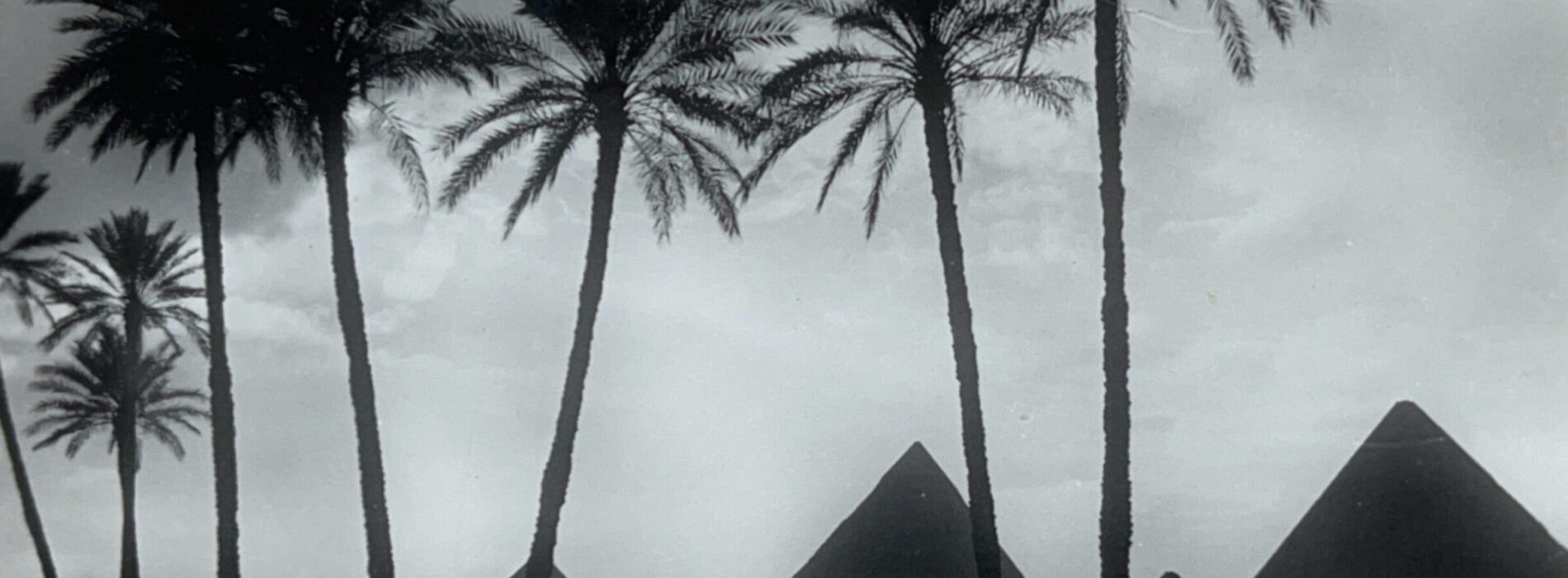
During World War II, Giza, near Cairo in Egypt, became a familiar place for New Zealand troops serving in the Middle East. Although the Giza Plateau, home to the iconic Pyramids and the Sphinx, was far removed from the frontlines, it held a special significance for soldiers passing through the region. For the 2nd New Zealand Expeditionary Force, Egypt was a key staging ground, and many Kiwis found themselves stationed nearby or passing through Giza on their way to battlefronts in North Africa.
For New Zealand troops, Giza provided a striking contrast to the harsh realities of war. The ancient wonders of the Pyramids and the Sphinx offered moments of awe and reflection, a connection to human history that felt timeless and enduring. Soldiers often took the opportunity to visit these historic landmarks, posing for photos on camels or beside the Sphinx. These visits became cherished memories, with many Kiwis writing home about the surreal experience of standing in the shadow of such monuments while preparing for the uncertainty of combat.
Giza’s proximity to Cairo also made it an important logistical hub during the war. New Zealanders stationed in the region were part of the Allied effort to defend the Middle East and secure vital supply lines, particularly during pivotal campaigns like the Second Battle of El Alamein. While Giza itself was not a combat zone, it served as a base for training, resupply, and rest, offering troops a brief respite from the rigours of desert warfare. The sight of the Pyramids on the horizon was a reminder of the world beyond the battlefield.
For many New Zealanders, their time in Giza left a lasting impression. The juxtaposition of ancient history with the modern struggle of war underscored the resilience of both people and place. Giza became more than just a stopover; it was a symbol of endurance and continuity in a world upended by conflict. For those who returned home, memories of the Pyramids and the camaraderie shared in their shadow remained a powerful reminder of their experiences in the Middle East.
The gallery was not found!Further information
Blah blah blah blah blah